Dental Implants for Athletes: Protecting Your Restored Smile
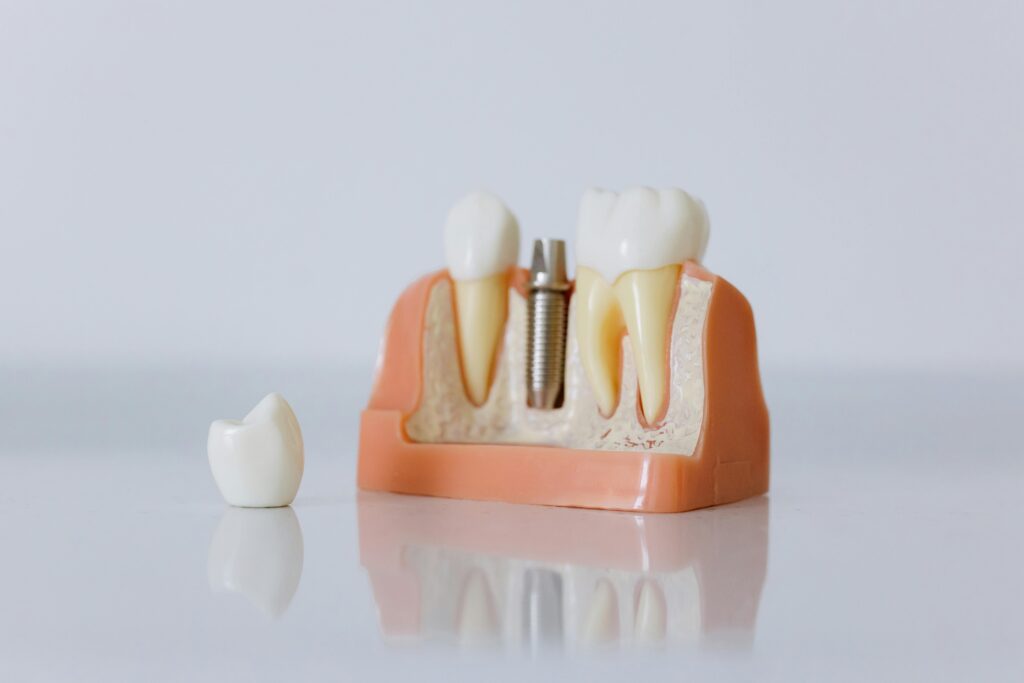
Athletes ask a practical question about dental implants sooner or later: can a restored tooth hold up to the realities of training, travel, impact, and fatigue? The short answer is yes, often very well, but only if the athlete understands the difference between a stable implant inside the bone and the crown that sits above it, and only if protection is treated as part of performance, not an afterthought.
That distinction matters. A dental implant is not a fragile cosmetic add-on. Once integrated properly, the implant fixture itself is strong and biologically stable. The vulnerable part in sports is usually the visible restoration, along with the surrounding soft tissue, adjacent teeth, lips, and jaw. A direct blow to the mouth can crack porcelain, loosen a crown, cut gum tissue, or injure natural teeth nearby, even when the implant remains intact. In contact and collision sports, the mouthguard matters just as much for an athlete with one implant as it does for an athlete with a full set of natural teeth.
I have seen athletes approach this from two unhelpful extremes. Some become overly cautious and assume a dental implant means they should avoid physical competition. Others treat the implant as indestructible and skip mouth protection because they feel "fixed." Neither view reflects how sports dentistry works in real life. Dental implants perform best when they are part of a bigger strategy that includes timing, equipment, follow-up care, and a realistic understanding of risk.
What makes an implant different from a natural tooth in sports
A natural tooth is suspended in bone by the periodontal ligament. That ligament allows microscopic movement and provides a sensory feedback system that helps you feel pressure and bite force. A dental implant does not have that same ligament. It integrates directly with bone. That gives it excellent stability, but it also changes how force is transmitted.
For an athlete, this difference is not just academic. It affects how impact travels through the restored area, how the bite feels during clenching, and how protective appliances should fit. When a hockey player gets checked into the boards, or a basketball player catches an elbow under the rim, force can move fast through the face and jaw. With a natural tooth, some energy is moderated by the ligament. With an implant crown, the force pattern is different. That does not make implants unsafe, but it does mean the restoration should be designed with careful attention to occlusion, crown contour, and material choice.
Athletes who grind, clench, or brace their jaw during competition add another layer of stress. Endurance athletes do this more than many realize. So do weightlifters, wrestlers, and athletes under heavy psychological strain. A well-placed implant can tolerate normal function, but persistent overload can lead to crown chipping, screw loosening in some systems, or irritation of surrounding tissues if the bite is off. The athlete may describe it simply as "it feels high" or "my jaw gets tired on that side." Those comments are worth taking seriously.
Which athletes face the highest risk
Risk is not limited to boxing or football. Contact is the obvious factor, but accidental facial trauma happens in many sports that are not labeled contact sports. Basketball, soccer, baseball, softball, mountain biking, gymnastics, skateboarding, and even pickleball generate their own patterns of oral injury. A stick, a ball, a fall, a collision, or a poorly timed landing can do plenty of damage.
The highest risk usually falls into a few broad categories. Collision and combat sports carry repeated and predictable impact potential. Ball and stick sports create high-speed point trauma. Cycling and board sports produce fall-related facial injuries. Strength sports and high-stress competition can produce heavy parafunctional loading from clenching, even with no direct facial hit. I have also seen athletes in recreational leagues underestimate the danger because the pace feels casual, right up until a shoulder, knee, or bat changes the conversation.
Age and level of play matter too. Teen and collegiate athletes often push through discomfort and forget to report minor symptoms. Adult recreational athletes may delay maintenance because of work schedules, then show up months later with a chipped crown and inflamed gums around an implant that could have been protected earlier. Elite athletes usually have better support, but they also place extraordinary demands on their bodies and often travel enough to disrupt routine care.
Timing matters more than many athletes expect
One of the most important judgment calls is when to place or restore a dental implant in relation to competition. The answer depends on healing, bone quality, implant stability, sport type, and season timing. There is no single timeline that fits every athlete.
If someone loses a tooth in the off-season and has adequate bone and healthy soft tissue, planning is straightforward. If tooth loss happens three weeks before playoffs, the conversation becomes very different. The athlete may want a permanent solution immediately, but biology does not negotiate with the calendar. Bone integration takes time. Loading the area too early, especially in a high-impact athlete, can compromise success.
That is where good treatment planning helps. Sometimes a temporary solution is smarter than pushing ahead with definitive restoration under poor timing. Athletes often do better when the treatment plan matches the sport calendar instead of fighting it. I have seen excellent outcomes when clinicians coordinate around tournament schedules, return-to-play demands, and access to custom mouthguard fabrication once the final crown is in place.
An experienced dentist will also think about whether the implant is in the front of the mouth, where direct trauma risk is obvious, or farther back, where clenching forces may be more relevant than collision. A single upper central incisor implant in a soccer player raises different concerns than a lower molar implant in a powerlifter.
The mouthguard is not optional
If there is one piece of advice that deserves plain language, it is this: an athlete with a dental implant who participates in any sport with meaningful facial impact risk should wear a properly made mouthguard.
Stock guards and boil-and-bite options can be better than nothing, but they often fit poorly, distort speech, and get left in gym bags. For athletes with dental implants, a custom mouthguard offers a much better chance of distributing force and staying where it belongs. A bad fit can create pressure points, reduce compliance, and in some cases place awkward force on the restoration.
A custom mouthguard should account for the implant crown shape, the bite relationship, and the sport itself. A boxer and a point guard do not need the same design emphasis. Neither does a teenager whose final crown was just delivered and whose gum contour is still settling, compared with an adult whose implant has been stable for years.
When athletes ask what to look for, the most useful features are usually these:
- Close, stable fit without rocking or pinching
- Adequate thickness for the specific sport and level of contact
- Balanced coverage that protects teeth and soft tissue without making breathing or speech unmanageable
- Careful relief around any area that feels overloaded or irritated
- Regular reassessment after dental work, bite changes, or visible wear
That last point is often ignored. Mouthguards are not forever devices. They wear down, deform, and become less protective over time. Athletes also change. Weight training can alter clenching patterns. Orthodontic changes can affect fit. New crowns, small chips, or gum changes around an implant can make an old guard less useful than it looks.
Not all implant crowns are equally suited to athletic life
People often use "implant" to describe the whole restored tooth, but in practice the restoration has components, and those choices influence durability. The implant fixture sits in bone. The abutment connects the fixture to the crown. The crown is the visible part. Each element matters under athletic stress.
Crown material is one example. Porcelain-based crowns can look excellent, especially in the front of the mouth, but material selection should balance esthetics with fracture resistance and bite forces. In posterior areas, where function dominates appearance, a different material choice may be sensible for an athlete with strong clenching habits. This is not a one-size-fits-all decision. It depends on position, bite, esthetic demands, and how the athlete actually uses their jaw under load.
Access design matters too. A restoration that is easy to maintain and monitor can make life easier if adjustments become necessary. The same goes for occlusion. An implant crown that contacts too heavily during lateral movements or when the athlete clenches can become a repeated source of trouble. Small bite discrepancies feel larger in people who train hard.
I remember a recreational martial arts athlete who insisted his implant was failing because the area felt sore after sparring. Imaging looked fine. The implant was solid. The issue turned out to be a combination of jaw clenching, a slightly high contact on the crown, and a worn mouthguard that no longer seated properly. After minor occlusal adjustment and a new custom guard, the symptoms settled. The implant had not been the problem. The force management had.
Warning signs athletes should not ignore
A healthy implant should feel stable. The surrounding gum should not bleed regularly, swell, or become Dental Implants persistently tender. Occasional awareness after a hard hit is one thing. Ongoing symptoms are another.
Athletes are notorious for minimizing problems that do not stop them from competing. That mentality can backfire with oral injuries. A small porcelain chip can turn into a larger fracture. Gum inflammation around an implant can worsen if plaque control drops during travel or if a mouthguard starts rubbing the tissue. A loose crown might begin as a mild odd sensation and then fail at an inconvenient moment, such as during an away game weekend.
The warning signs worth prompt evaluation include a change in bite, mobility of the crown, a clicking or shifting sensation, pain on chewing, repeated bleeding around the implant, foul taste or drainage, or any trauma followed by persistent discomfort. It is especially important to separate damage to the restoration from damage to the implant itself. Athletes often fear the worst, but sometimes the fix is limited to the crown or abutment component rather than the integrated implant in bone.
What to do after a hit to the mouth
Not every blow requires panic, but every blow deserves attention. If the athlete has taken a direct hit near a dental implant, the first job is to control the moment, then assess function and visible damage. Soft tissue cuts can distract from a broken crown, and adrenaline can hide symptoms.
A simple response sequence works well:
- Rinse gently with water and look for visible chips, bleeding, or displaced parts
- Check the bite carefully, without forcing the teeth together hard
- Save any fractured crown fragment if one is found
- Use a cold compress on the outside of the face for swelling
- Arrange dental evaluation promptly, the same day if there is pain, looseness, or bite change
If the athlete cannot close comfortably, sees obvious mobility, or has significant swelling or facial asymmetry, the injury may involve more than the implant restoration. Jaw fracture, root injury to adjacent teeth, and soft tissue trauma all need consideration. This is where sports medicine and dentistry overlap in a very practical way.
Daily care gets harder during season, and that matters
The implant itself cannot decay, but the tissues around it can absolutely become inflamed if home care slips. During season, many athletes live in a pattern that is not friendly to oral health: early travel, sports drinks, protein snacks, mouth breathing, dry mouth, inconsistent brushing times, and late-night recovery meals. Add a mouthguard that is not cleaned properly, and the gums around a restoration can look rough fast.
Peri-implant inflammation usually begins quietly. The athlete may notice mild bleeding while flossing or an odd taste after removing the mouthguard. The tissue may look puffy around the crown margin. Left alone, this can progress. The best prevention is not glamorous, but it works: consistent plaque removal, careful cleaning around the implant, sensible hydration, and routine maintenance visits that do not get canceled every time a training block intensifies.
Sports drinks deserve a brief reality check. They are useful in some settings, especially prolonged or high-intensity exercise, but frequent exposure can dry and acidify the mouth. That does not harm the titanium implant directly, yet it can affect soft tissue comfort, natural teeth, and overall oral cleanliness. Athletes who sip sports drinks for hours while neglecting water often notice more plaque and gum irritation. A simple rinse with plain water after use can help.
The role of grinding, clenching, and stress
One of the less obvious threats to implant restorations in athletes is not an opponent but the athlete's own jaw. Clenching under effort is common. During maximal lifts, explosive movements, and stressful competition, the bite force can increase dramatically. Some athletes also grind in their sleep during heavy training periods, especially when recovery is poor.
This matters because implant crowns do not have the same shock-absorbing ligament feedback as natural teeth. If the bite is not balanced well, repeated overload may show up as crown wear, material chipping, screw-related complications in some implant systems, or muscle tension that the athlete mistakes for a dental problem. Trainers and coaches often hear about headaches, neck tightness, or jaw fatigue without realizing the mouth is part of the picture.
Sometimes the best intervention is not replacing a perfectly serviceable crown, but adjusting occlusion, improving guard fit, or addressing nighttime grinding with a separate appliance if appropriate. Daytime sports mouthguards and nighttime occlusal appliances are not interchangeable. Each has a distinct job.
Younger athletes and growth considerations
For adolescents and young adults, implant planning has an extra layer. If skeletal growth is still ongoing, placing a dental implant too early in the front of the mouth can create esthetic and positional problems later. The implant does not erupt or drift with surrounding natural teeth. As the face grows and adjacent teeth change position, the implant crown can begin to look out of alignment even if the implant itself is healthy.
This becomes especially relevant after sports trauma in teenagers. Families understandably want a permanent answer right away, particularly if a front tooth was lost. But "permanent" and "timely" do not always align in a growing patient. Temporary or transitional solutions may be the wiser route until growth is more complete. That can be frustrating in the short term, but it often prevents larger restorative headaches later.
Travel, competition schedules, and emergency planning
Athletes with dental implants benefit from thinking ahead, especially if they compete away from home. Minor issues become major inconveniences when they happen in another state or another country. A chipped front crown the day before a tournament is stressful enough. A loose implant crown on a red-eye flight with no local dental contact is worse.
A little planning goes a long way. Know the name of the implant system if possible, keep recent dental records accessible, and have a local dental contact in the places you visit most often for competition. Team staff may not think to ask for implant details, but if a restoration component loosens and needs attention, that information can save time.
I have known endurance athletes who build bike repair kits more carefully than their medical backup plans. Dental issues are less predictable than a flat tire, but they are not rare. Anyone who invests in a restored smile and asks that smile to withstand sport should prepare accordingly.
When an implant may not be the immediate best answer
Dental implants are excellent tools, but good care also means recognizing when another option is temporarily more practical. If an athlete is in the middle of a high-impact season, has poor bone volume after trauma, shows inconsistent home care, or cannot commit to protection and follow-up, delaying implant treatment may be wiser. A bridge, removable provisional, or bonded temporary can sometimes serve as the better short-term strategy.
That is not a failure of implant therapy. It is good sequencing. In sports dentistry, the strongest plan is not always the fastest plan. It is the plan that respects healing, function, esthetics, and the athlete's real behavior. A treatment plan that looks perfect on paper but ignores a six-day training week, overseas travel, mouthguard noncompliance, or active growth is not truly practical.
The best outcomes come from coordination
Athletes do best when their dentist, specialist, and if relevant, sports medicine support team communicate clearly. That coordination does not need to be elaborate. Even a short exchange about timing, return to contact, appliance use, and warning signs can prevent mistakes.
The athlete should understand what was placed, what is most vulnerable, how to protect it, and when to come back. The dental team should know what sport the patient plays, how often they compete, whether they clench, and what kind of mouthguard they actually wear, not the one they intended to buy six months ago. Those practical details shape outcomes more than polished explanations.
A restored smile can absolutely belong in sport. Many athletes perform for years with dental implants and do very well. The common thread is not luck. It is planning, protection, maintenance, and a willingness to address small problems before they become expensive ones. If you compete hard, your dental care should reflect that reality. The implant may be stable in the bone, but protecting the whole system, crown, gum, bite, and surrounding teeth, is what keeps your smile reliable when the game gets physical.
Oaks Dental
5000 Parkway Calabasas Suite 308
Calabasas, CA 91302, United States
+1 818-431-2000
FAQ About Dental Implants
What is the downside of a dental implant?
Implants require surgery and a healing period that can last several months. Possible complications include infection, nerve or sinus injury, damage to nearby teeth and failure to bond with bone. Your dentist should assess your health, bone support and alternatives before recommending treatment.
What do dental implants typically cost?
There is no single price for every implant case. The number of teeth replaced, implant components, final restoration and any grafting or extractions affect the total. Request a written estimate covering every stage and confirm insurance benefits and out-of-pocket costs with the practice.
How long do tooth implants last?
An implant can provide long-term support and may last a lifetime with good oral hygiene and regular dental care, but this is not guaranteed. The crown or other restoration may need replacement sooner. Smoking, gum disease and some health conditions can reduce implant success.