Understanding Titanium and Zirconia Dental Implants
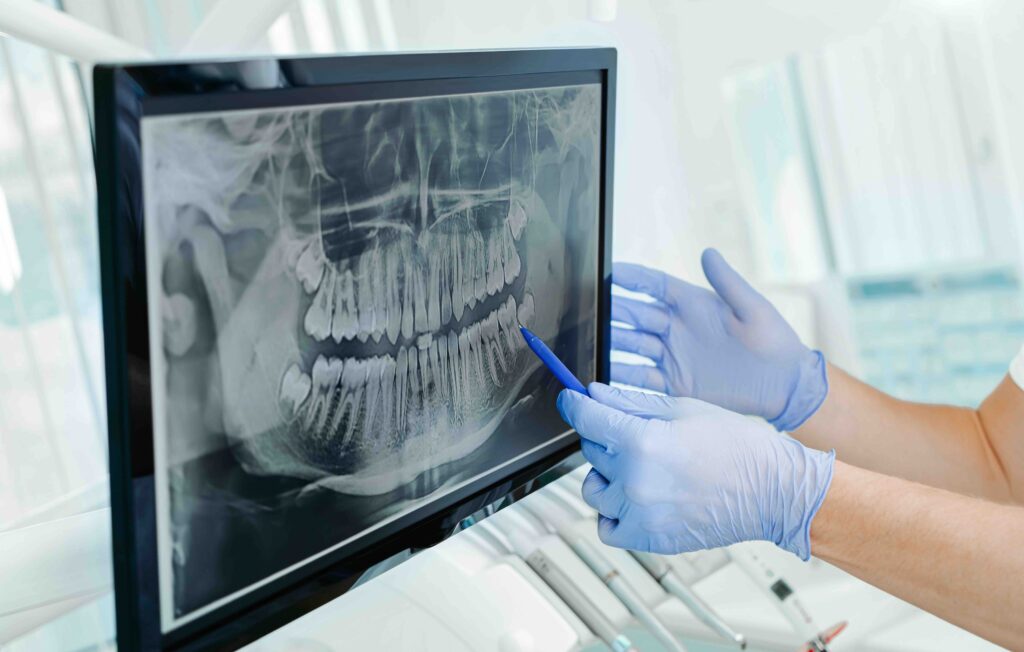
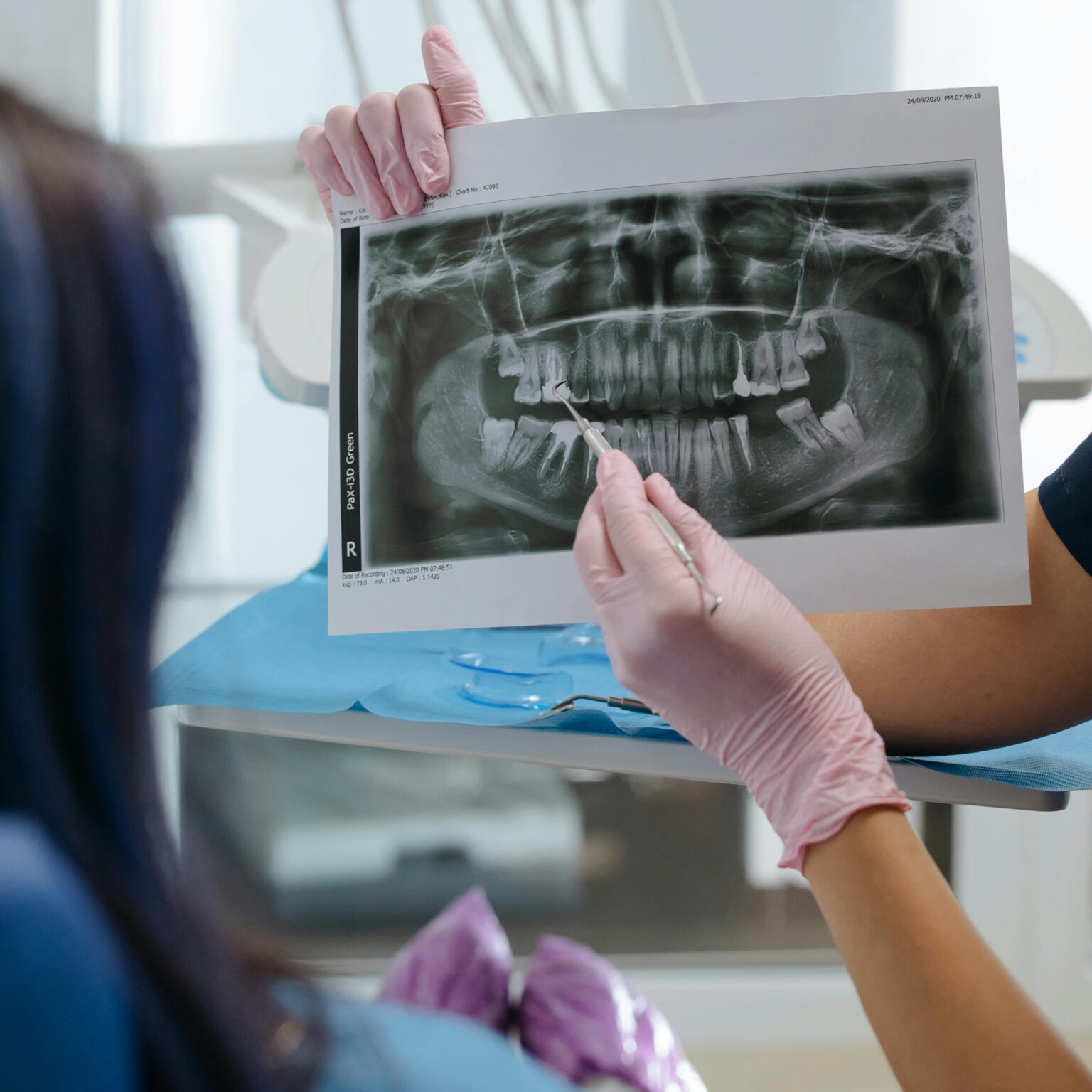
When patients start looking into Dental Implants, one of the first surprises is that the conversation does not stop at cost, healing time, or whether the procedure will hurt. Material choice comes up quickly, and for good reason. The implant itself sits inside bone for years, often decades, so the decision carries mechanical, biological, and aesthetic consequences.
The two materials that dominate serious discussion are titanium and zirconia. Titanium has a long clinical track record and remains the standard in most implant practices. Zirconia has attracted attention for its tooth-like color, metal-free appeal, and promising tissue response. Patients often arrive assuming there is a simple hierarchy, as if one is modern and better while the other is older and less refined. Real treatment planning is not that tidy.
The better question is not which material wins in the abstract. It is which material fits the patient in front of you, the position of the missing tooth, the forces in that area, the gum architecture, the patient's expectations, and the clinician's experience with that system. Those details shape outcomes far more than marketing language does.
Why the material matters more than many people expect
An implant is not just a screw replacing a root. It is part of a loaded system that includes bone, gum tissue, the implant-abutment connection, and the crown placed on top. Every part has to behave well under chewing forces while staying biologically stable and visually acceptable.
Material choice affects several practical issues. It influences how the implant surface integrates with bone. It affects how forgiving the restoration can be if angulation is less than perfect. It can change the way soft tissue looks in a thin smile line. In some cases, it even affects which cases a surgeon or restorative dentist feels comfortable treating.
I have seen patients focus intensely on one headline feature, often the idea that zirconia is white and titanium is gray. That can matter, especially in the front of the mouth with very thin tissue. But many implants fail or disappoint for reasons that have nothing to do with color. Poor planning, overloaded bites, inadequate bone volume, untreated gum disease, and smoking habits can outweigh any theoretical material advantage.
Titanium, the established workhorse
Titanium has been the backbone of implant dentistry for decades. That history matters. Dentistry is full of products that look impressive for five years and then quietly disappear when longer follow-up reveals complications. Titanium has survived that test. It osseointegrates predictably, meaning bone can grow directly against its surface and hold it firmly. That predictability is why so many surgeons still view it as the default choice.
From a mechanical standpoint, titanium offers an excellent balance of strength and toughness. In the mouth, implants are exposed to cyclic loading every day. Posterior teeth, especially molars, take substantial force. Patients who clench or grind can generate even more stress than average. In these situations, a material that tolerates functional load and allows restorative flexibility becomes especially valuable.
Most titanium Dental Implants are two-piece systems. The implant body is placed in bone, then an abutment connects to it and supports the final crown. This design gives the restorative team options. If angulation needs correction, if soft tissue shaping needs refinement, or if a custom abutment would improve crown contours, the system usually allows that. Those options may not sound glamorous, but they solve real problems in practice.
Titanium also comes with broad evidence across simple and complex cases. Single teeth, short-span bridges, full-arch treatment, immediate placement after extraction, immediate provisionalization in selected cases, grafted bone, sinus lift sites, and medically complicated patients have all been studied extensively with titanium systems. No material is truly risk-free, but the body of evidence here is hard to ignore.
That said, titanium is not perfect. In patients with a very thin gingival biotype, a dark shadow can occasionally show through the tissue, particularly if the implant is placed too facially or if recession develops later. In the esthetic zone, that visual compromise can matter even if the implant itself is healthy. Titanium also does not satisfy patients who specifically want a metal-free treatment, whether for personal preference or because they have concerns about material exposure.
Zirconia, the newer but increasingly credible option
Zirconia implants appeal to patients for obvious reasons. The material is white or ivory-toned, which can be advantageous in the front of the mouth where tissue is delicate and cosmetic demands are high. For people who strongly prefer non-metal restorations, zirconia can also align with their values in a way titanium cannot.
Biologically, zirconia has shown favorable soft-tissue behavior in many reports and clinical observations. Plaque accumulation may be lower on polished zirconia surfaces in some settings, though this should not be overstated because patient hygiene, crown contours, and maintenance habits still drive most of the day-to-day reality. A clean material does not rescue a difficult crown shape or neglected brushing.
The biggest practical distinction is not just color. It is system design. Many zirconia implants historically have been one-piece designs, where the implant and abutment are built as a single unit. That architecture reduces the microgap seen in two-piece systems, which some clinicians view as a biological advantage. But one-piece designs demand excellent planning because once they are placed, there is much less prosthetic forgiveness. You cannot simply swap in a different abutment later to correct angle or emergence.
Newer two-piece zirconia systems are expanding what is possible, and that is one reason interest in zirconia has risen. Even so, the evidence base is still smaller than it is for titanium, particularly in complex load-bearing situations and longer follow-up periods. A patient considering zirconia should hear that clearly. Promising is not the same as equally documented.
Mechanically, zirconia is very strong in compression, but it behaves differently from metals. It is more brittle. That does not mean it is fragile in casual terms, but it does mean the way it handles stress, defects, and overload differs from titanium. In carefully selected cases with sound planning, zirconia can perform well. In demanding posterior cases, especially when space, angle, or bite are unfavorable, many experienced clinicians still lean toward titanium because it offers a wider safety margin.
The esthetic argument, where zirconia often gets the spotlight
If the missing tooth is a lower first molar, few patients care what color the implant body is. If the missing tooth is a maxillary lateral incisor Dental Implants oaksdentistry.com and the patient has a high smile line, every tiny visual factor matters. This is where zirconia earns serious attention.
A white implant under thin tissue can reduce the chance of gray shine-through. It may also provide peace of mind for patients who know they will worry every time they look in the mirror. That emotional piece should not be dismissed. Cosmetic dentistry is not only about what is clinically acceptable. It is about what the patient experiences every day.
Still, excellent esthetics depend on much more than implant material. Implant position is critical. The thickness of the facial bone plate matters. So does the soft tissue volume, the shape of the temporary restoration, and whether the patient had recession or tissue loss before treatment even started. I have seen beautifully integrated implants of both materials look disappointing because they were placed in compromised tissue without enough augmentation. I have also seen titanium implants produce superb cosmetic outcomes when planning and tissue management were meticulous.
For that reason, when a patient asks, "Which one looks better?" The honest answer is often, "The one placed in the right position with the right tissue support."
The health question patients ask, sometimes cautiously
Some patients ask about allergies or sensitivities to metals. Others are less direct and say they "want the cleanest option." These concerns deserve a calm, evidence-based discussion, not a dismissive one.
True titanium allergy appears to be uncommon. In routine implant practice, it is not a frequent reason for avoiding titanium. More often, the decision is preference-based rather than driven by documented hypersensitivity. Zirconia can be attractive in these conversations because it is ceramic and perceived as inert. That perception is part of its appeal.
At the same time, material choice should not become a proxy for general health anxiety. A patient with active periodontitis, poorly controlled diabetes, heavy smoking habits, or severe bruxism faces more meaningful implant risks than a typical patient choosing between titanium and zirconia. Clinical priorities have to stay in order.
Peri-implant disease is another topic patients encounter online. They read about inflammation, bone loss, and implant failure, then try to map those issues onto material alone. The truth is less dramatic. Surface properties and connection design matter, but so do plaque control, excess cement, restorative contours, implant positioning, and the patient's susceptibility to inflammatory disease. The healthiest implant is usually the one that is easy to clean, biomechanically sensible, and regularly maintained.
How dentists actually decide between the two
Most experienced clinicians do not choose implant material in isolation. They work backward from the case. Where is the missing tooth? How much bone is available? Will a graft be needed? Is this a single tooth or a full arch? What is the patient's bite like? Is the tissue thick or thin? How high are the esthetic demands? What implant system does the surgeon know deeply enough to use predictably?
Those questions narrow the field quickly.
In posterior load-bearing areas, titanium is often favored because of its long record under high functional demands and the flexibility of two-piece restorations. In highly visible anterior sites, zirconia may become more attractive if the tissue is thin and the patient values a metal-free approach. But even there, titanium remains common because skilled soft tissue management can compensate for its color in many cases.
The clinician's experience also matters more than brochures admit. A beautifully engineered implant system does not perform well in unpracticed hands. I would generally prefer an expert using a titanium system they know intimately over an inexperienced provider trying to satisfy a zirconia trend. Familiarity affects drilling protocol, insertion torque decisions, restoration timing, and management of complications. Those are not small details.
Practical differences patients should understand before saying yes
The consultation often goes more smoothly when patients understand the everyday implications rather than just the material science. A few distinctions come up repeatedly:
- Titanium has the longest and deepest clinical track record across a wide range of indications.
- Zirconia offers a tooth-colored, metal-free option that may benefit selected esthetic cases.
- Titanium systems usually provide more restorative flexibility, especially with two-piece designs.
- Zirconia can work very well, but case selection and prosthetic planning tend to be less forgiving.
- Long-term evidence for zirconia is growing, though it remains less extensive than the evidence for titanium.
Those five points cover much of what patients truly need to know before diving into brand names and surface treatments.
Where complications can differ
No implant material is immune to complications. The pattern can vary, though.
With titanium, esthetic issues and occasional component-related problems tend to get more discussion than the implant material itself. If recession exposes the implant collar in a visible area, the gray tone may become a concern. In two-piece systems, abutment screw issues, looseness, or restorative complications may arise, especially when the bite is heavy or crown design is compromised. These problems are often manageable, but they are part of the treatment landscape.
With zirconia, fracture risk receives more attention. Modern zirconia is far better than early ceramic attempts at implants, and many cases do well, but the material's brittle behavior means stress concentration and design limitations matter. That is one reason some clinicians remain selective, particularly in molar regions or in patients with bruxism. If a zirconia implant fractures, management can be challenging.
There is also the matter of prosthetic latitude. If the implant is placed with less-than-ideal angulation, titanium's modularity may make recovery easier. Zirconia, depending on the system, may leave fewer options. That difference tends to matter more in real life than most patients expect.
Cost, availability, and the reality of follow-up care
Patients often assume zirconia is always more expensive. Often it is, but not universally. Cost depends on region, implant brand, whether bone grafting is needed, and how the final crown is fabricated. The material itself is only one part of the bill.
Availability can be a bigger issue. Far more dentists and specialists place titanium implants routinely than zirconia implants. If a patient moves, needs future maintenance, or develops a restorative issue years later, titanium systems are generally easier to service because more clinicians and laboratories work with them every day.
That matters. Implant treatment does not end when the crown is delivered. Follow-up care, professional maintenance, screw access if needed, replacement of worn restorative parts, and management of gum changes over time all become easier when the system is widely understood.
A patient choosing zirconia should ask whether the provider also handles long-term maintenance in-house and whether replacement components are readily available. That is not a reason to avoid zirconia, but it is part of responsible planning.
Questions worth asking at the consultation
The material question is important, but it should sit inside a broader discussion. Patients usually get better guidance when they ask these questions:
- Why are you recommending this material for my specific tooth and bite?
- Is my gum tissue thin enough that implant color could affect the final appearance?
- Will this be a one-piece or two-piece implant system, and how does that affect restoration?
- How much experience do you have with this implant material in cases like mine?
- What maintenance or future repair issues should I expect over the next ten years?
Good answers tend to be specific. Vague answers are a warning sign. If a dentist cannot explain why the case suits one material over the other, that is worth noticing.
When titanium is usually the safer bet
There are cases where the balance tips clearly toward titanium. Heavy grinders, missing molars, limited restorative space, complex full-arch treatment, and situations requiring maximum prosthetic flexibility often favor titanium. Patients who need bone grafting or immediate loading may also benefit from the wider evidence base and broader component options that titanium systems offer.
Another common scenario is the patient who wants the most studied option and does not have a strong preference about Dental Implants metal-free materials. For that patient, titanium is often the straightforward answer. Its success rates in appropriate candidates are high, and the clinical community knows how to work with it.
When zirconia makes especially good sense
Zirconia becomes appealing when esthetics and material preference are central, especially for a single tooth in the visible zone with favorable anatomy. A patient with thin tissue, a high smile line, and a strong wish to avoid metal may be an excellent candidate if the restorative plan is disciplined and the provider is experienced with the system.
It can also suit patients who are highly motivated about hygiene and maintenance, because the benefits of soft tissue stability are most meaningful when the rest of the environment is healthy. The best zirconia outcomes tend to come from careful selection, not from trying to force the material into every indication.
The choice is rarely only about the implant
One of the most useful reframes for patients is this: the crown, the bite, the tissue, and the surgeon's plan often matter as much as the implant material. If a titanium implant is placed beautifully and restored thoughtfully, it will usually outperform a zirconia implant that was selected for cosmetic reasons but inserted or restored under compromised conditions. The reverse can also be true in a well-chosen anterior case where zirconia's color and tissue behavior support a better esthetic result.
Dental Implants succeed when biology, mechanics, and design are aligned. Material is one part of that equation. A meaningful consultation should make that clear.
For most people, titanium remains the benchmark because it combines durability, versatility, and long-term evidence. Zirconia has earned a legitimate place, especially for selected esthetic and metal-free cases, but it still depends heavily on proper indication and experienced execution. Patients do best when they resist the urge to frame the decision as old versus new, or metal versus ceramic, and instead ask a more practical question: which implant gives me the most predictable result for my mouth, my goals, and my long-term care?
That question usually leads to a better answer than any marketing claim ever will.
Oaks Dental
5000 Parkway Calabasas Suite 308
Calabasas, CA 91302, United States
+1 818-431-2000
FAQ About Dental Implants
What is the downside of a dental implant?
Implants require surgery and a healing period that can last several months. Possible complications include infection, nerve or sinus injury, damage to nearby teeth and failure to bond with bone. Your dentist should assess your health, bone support and alternatives before recommending treatment.
What do dental implants typically cost?
There is no single price for every implant case. The number of teeth replaced, implant components, final restoration and any grafting or extractions affect the total. Request a written estimate covering every stage and confirm insurance benefits and out-of-pocket costs with the practice.
How long do tooth implants last?
An implant can provide long-term support and may last a lifetime with good oral hygiene and regular dental care, but this is not guaranteed. The crown or other restoration may need replacement sooner. Smoking, gum disease and some health conditions can reduce implant success.